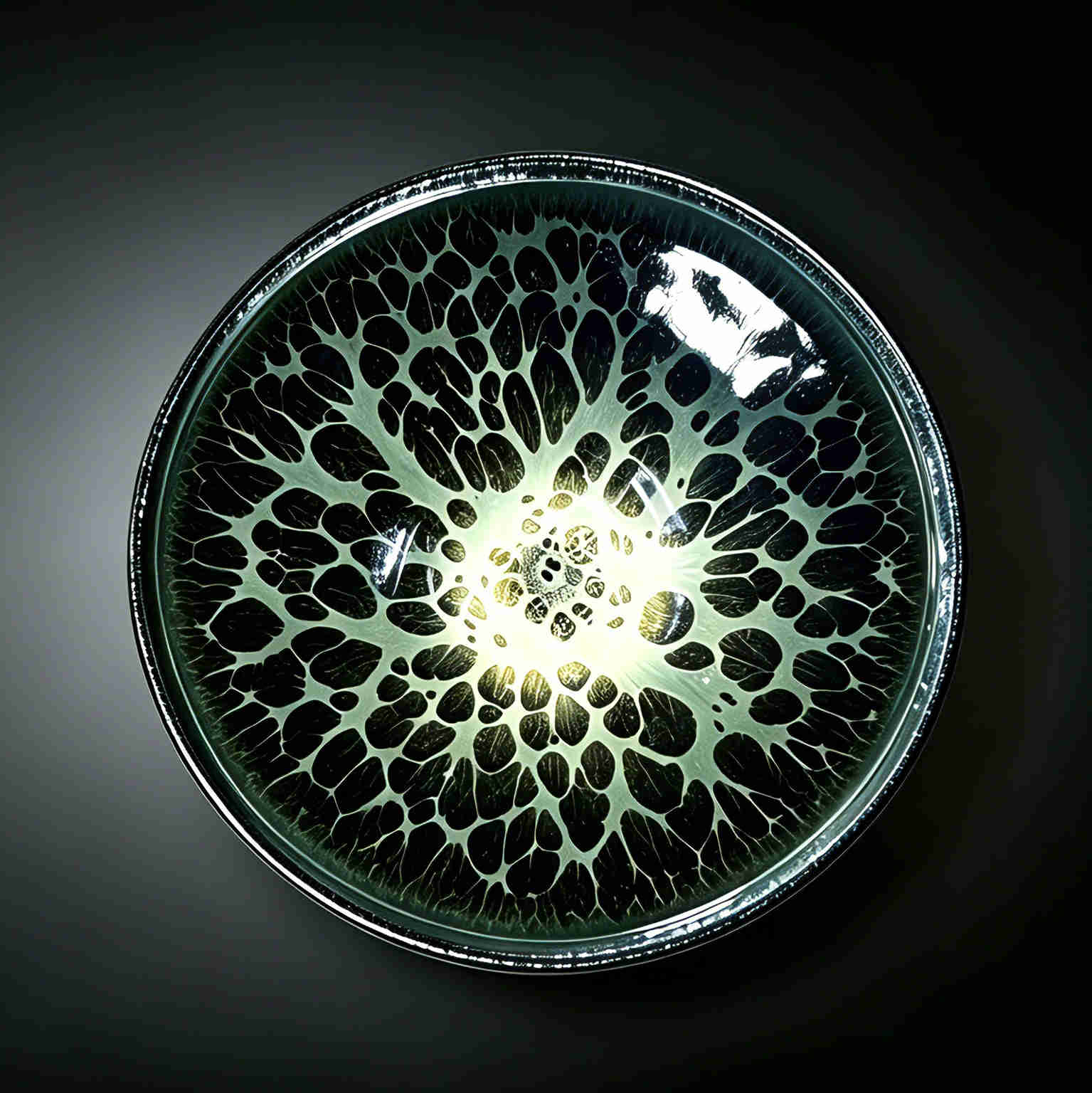
Pick up a Jianzhan teacup and you will notice the weight first. It is heavier than it looks. The walls are thick, the base is small, and the glaze is so dark it seems to swallow light. Tilt it under a lamp, though, and suddenly metallic spots or hair-fine streaks appear out of the blackness — as if the cup holds its own night sky.
That contrast is the whole point. Jianzhan is not decorated. Everything you see came from fire, iron, and chance.
Where It All Started
The story begins in Jianyang, a town in northern Fujian Province with unusually iron-rich soil. Archaeologists have found pottery fragments there dating back to the Neolithic age, but the kilns that would produce Jianzhan started firing during the late Tang Dynasty and the Five Dynasties period, around the 9th to 10th centuries. At first they made green-glazed ware, mostly plain bowls for everyday use. Black glaze was an afterthought.
It was not until the early Northern Song Dynasty, roughly the late 10th century, that artisans began turning out the black bowls we now call Jianzhan. By then, tea culture had shifted. Whipped tea — powder beaten with hot water into a white froth — had become a competitive social ritual. A dark bowl made the pale foam dramatic and easy to judge. The famous tea scholar Cai Xiang put it plainly in his 1049 manual: “Tea color should be white; a black bowl is best.” Emperor Huizong, who was obsessed with tea, agreed. Jianzhan became the only bowl that mattered.
The kilns grew with the demand. The largest dragon kiln unearthed at the Jianyang site stretches 135.6 meters and could fire over 100,000 pieces in a single batch. During the Northern and Southern Song Dynasties, roughly the 11th to 13th centuries, Jianzhan production hit its peak. Then the Song fell, tea customs changed, and the kilns faded. By the Yuan Dynasty the output had collapsed; by the Qing, the same sites were making blue-and-white porcelain instead. The craft of Jianzhan was effectively lost for centuries.
Why the Glaze Looks Like That
Jianzhan is not painted. The patterns form inside the kiln.
The clay body is loaded with iron, which gives the cup its heft and its dark color. The glaze is also iron-based. When the temperature pushes past 1,300°C, the iron crystallizes as the piece cools, producing effects that potters can influence but never fully control. The result is four classic patterns:
Oil Spot — tiny metallic droplets, like scattered beads of oil catching the light.
Hare’s Fur — fine parallel streaks running down the inside, named for their resemblance to animal hair. This is the pattern most people picture when they think of Song Dynasty tea bowls.
Partridge Spot — larger, mottled patches that look like bird plumage.
Yohen — the rarest of all, an iridescent rainbow surface that shifts as you move the cup. Fewer than a dozen authentic Song Yohen bowls survive today, and most are in Japan.
No two pieces are the same. Even cups pulled from the same kiln, side by side, will look different.
The Japanese Connection
When Japanese monks traveled to China during the Song Dynasty, they brought Jianzhan back as sacred objects for Zen tea ceremonies. The Japanese called them Tenmoku, after Tianmu Mountain where they studied, and the name stuck. In Japan these bowls were never everyday ware; they were displayed, treasured, and passed down like heirlooms. By the 14th century, Japanese records valued a top Yohen bowl at 10,000 bolts of silk — enough to buy a small estate. Today, four of Japan’s fourteen officially designated “National Treasure” ceramics are Jianzhan bowls.
Revival and Recognition
The craft was dead for roughly 700 years. Then, in 1979, a team of Chinese researchers and ceramicists began reverse-engineering Song Dynasty techniques. By 1981 they had reproduced the hare’s fur pattern. Oil spot and partridge spot followed. In 2011, Jianzhan firing was added to China’s National Intangible Cultural Heritage list. In 2016, it received Geographical Indication protection, meaning only bowls made in Jianyang using traditional materials can carry the name.
Where to Find Authentic Jianzhan Today
If you are looking for the real thing, Kilnoz works directly out of Jianyang, the historic homeland of Jian ware. Their cups are hand-thrown from local iron-rich clay and fired using a mix of traditional and modern temperature control. Master Ling, their lead artisan, specializes in the classic Song forms — oil spot and hare’s fur — built on shapes that have not changed much in a thousand years.
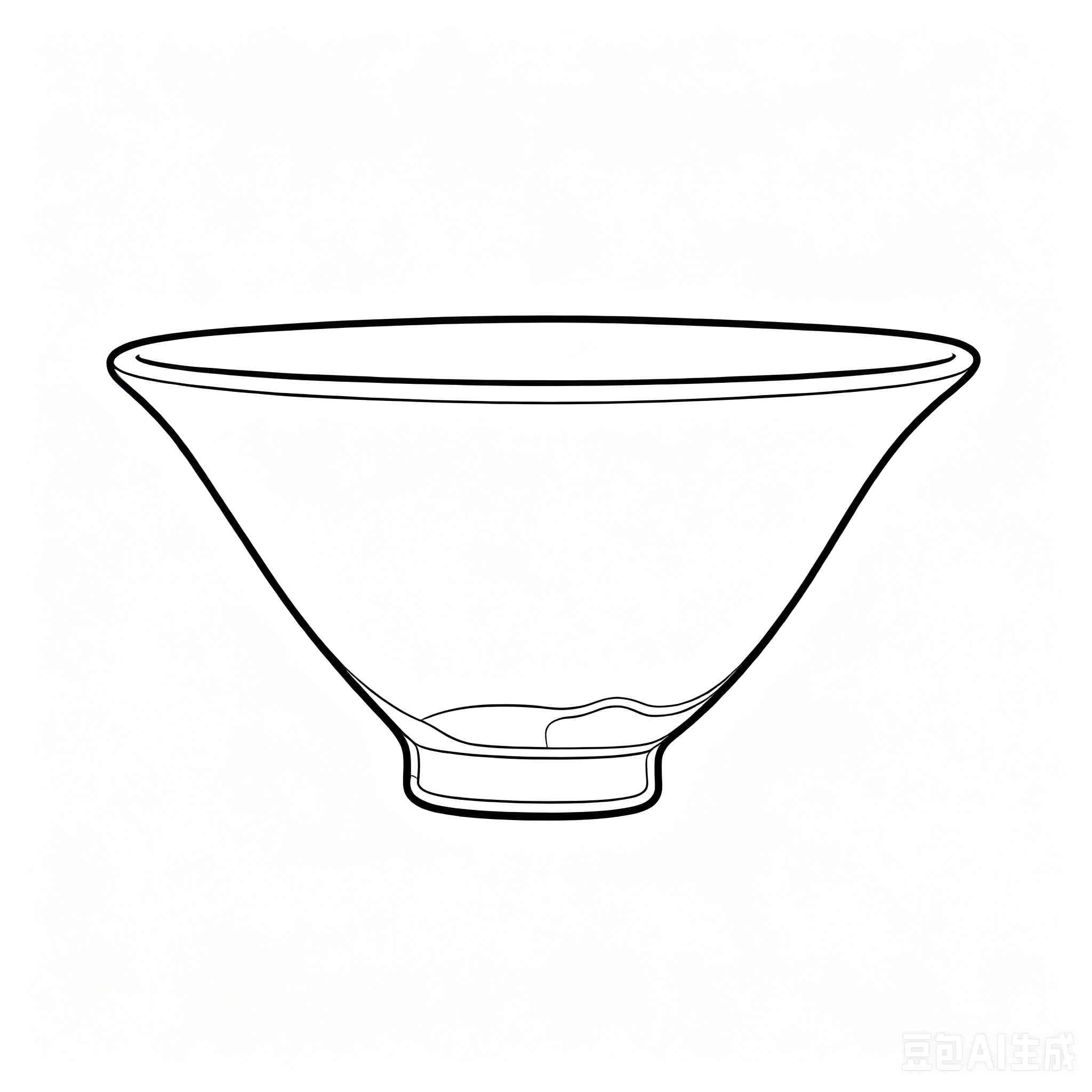
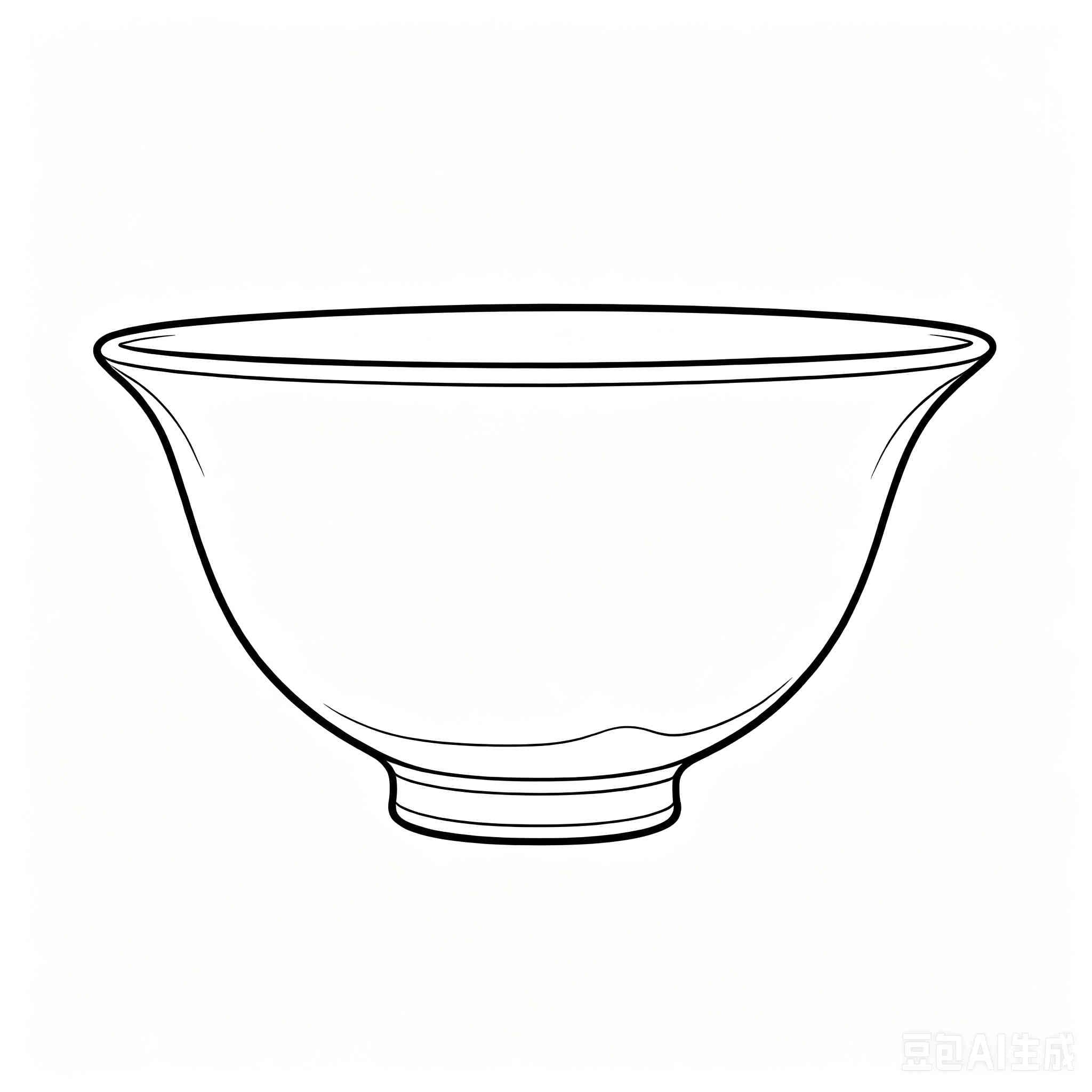
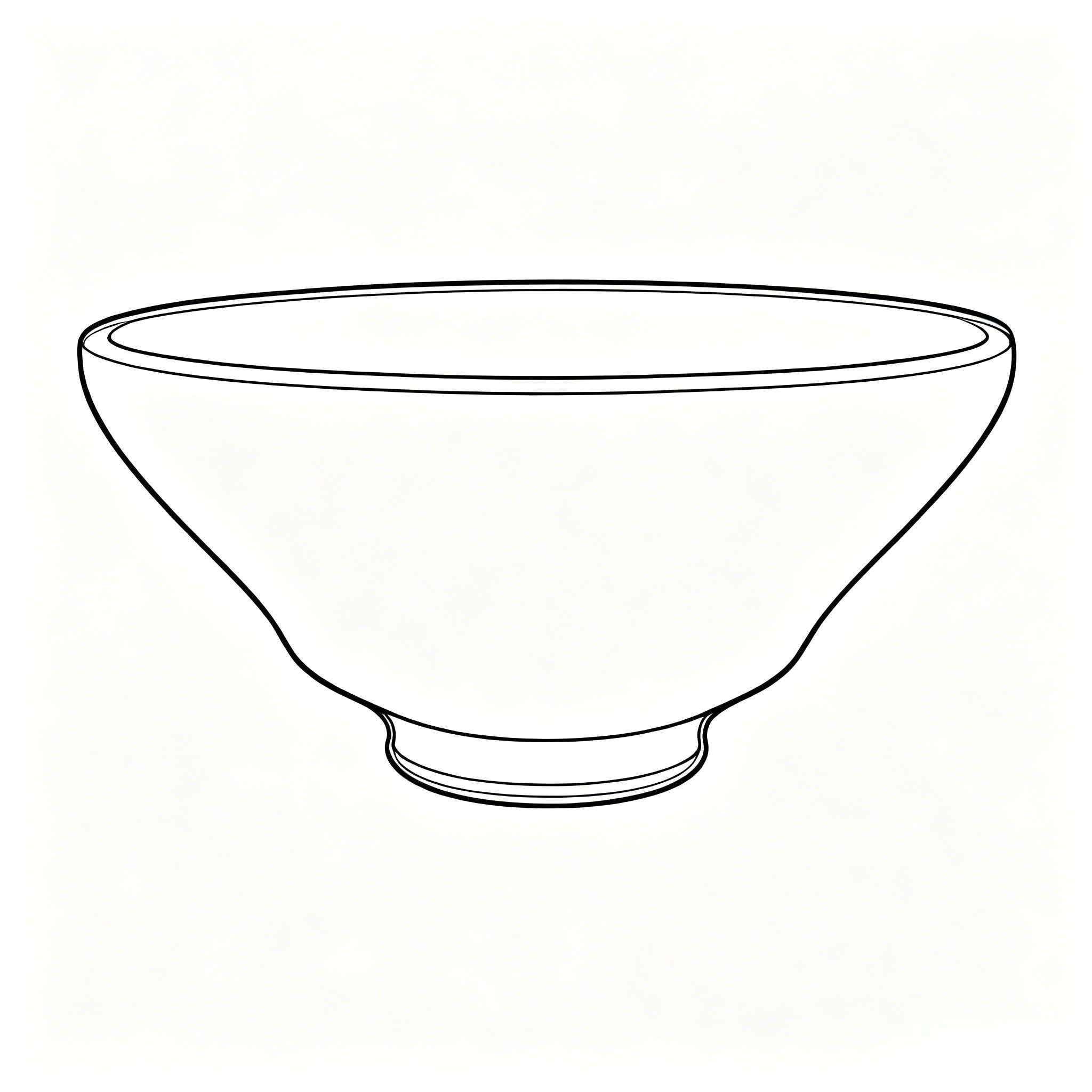
The current collection includes three traditional silhouettes: Bamboo Hat, Constricted Rim, and Lamp-Shaped. Each is meant for actual use, not just display. The thick walls keep tea warm. The dark glaze shows off the color of the liquor. And because every piece is handmade, the one you get is yours alone.
Whether you drink tea daily or collect ceramic art, a Jianzhan bowl is a direct link to Song Dynasty China — no replicas, no shortcuts, just clay and fire doing what they have done for centuries.
Want to see the collection? Head to Kilnoz and browse their handcrafted Jianzhan teacups.